ABSTRACT
The effects of BaZrO₃ addition on the structural and electrical properties of BaTiO₃-based base-metal-electrode (BME) multilayer ceramic capacitor (MLCC) ceramics were investigated. Dielectric compositions containing 0–9 wt% BaZrO₃ were fabricated using a conventional MLCC process, and their crystal structure, dielectric behavior, temperature stability, frequency stability, and insulation resistance were evaluated. X-ray diffraction and Rietveld refinement confirmed the formation of a single-phase perovskite structure for all compositions. Increasing BaZrO₃ content resulted in a systematic shift of diffraction peaks toward lower angles and an increase in unit-cell volume from 64.61 to 66.05 ų, indicating successful Zr incorporation into the BaTiO₃ lattice. The dielectric permittivity increased with BaZrO₃ addition and reached a maximum value of approximately 2,110 at 6 wt%, while dielectric loss decreased significantly. Capacitance stability against temperature and frequency variations was markedly improved with increasing BaZrO₃ content. In addition, insulation resistance increased substantially over the investigated temperature range, demonstrating enhanced electrical reliability.
-
KEYWORDS: BaTiO₃, BaZrO₃, MLCC, Dielectric properties, Temperature stability, Insulation resistance
1 Introduction
Multilayer ceramic capacitors (MLCCs) are indispensable passive components widely employed in modern electronic systems for power delivery, signal filtering, decoupling, energy storage, and electromagnetic noise suppression. Owing to their high volumetric efficiency, low equivalent series resistance (ESR), fast response characteristics, and excellent manufacturability, MLCCs have become the dominant capacitor technology in consumer electronics, industrial equipment, automotive electronics, communication infrastructure, and data-center systems. In recent years, the rapid expansion of artificial intelligence (AI) servers, high-performance computing (HPC) platforms, advanced automotive electronics, and high-frequency power conversion systems has significantly increased the demand for MLCCs exhibiting higher capacitance, improved temperature stability, and superior electrical reliability [
1–
3].
To satisfy the continuously increasing capacitance requirements of modern electronic devices, the dielectric layer thickness of MLCCs has been progressively reduced to the sub-micrometer range while the number of active layers has substantially increased. Although such structural miniaturization enables remarkable capacitance enhancement, it also results in significantly increased internal electric fields within the dielectric layers. Consequently, various reliability issues arise, including dielectric permittivity degradation, increased dielectric loss, capacitance instability, insulation resistance deterioration, and reduced long-term reliability. These challenges have become increasingly critical in AI server power-delivery networks, GPU voltage-regulation modules, and automotive electronic systems, where capacitors are subjected to elevated temperatures, wide frequency ranges, and severe electrical loading conditions [
4–
7]. BaTiO₃-based ceramics have been extensively utilized as dielectric materials for MLCCs because of their high dielectric permittivity, excellent sinterability, and compatibility with multilayer fabrication processes. However, pure BaTiO₃ exhibits a relatively sharp ferroelectric–paraelectric phase transition near the Curie temperature, resulting in significant temperature-dependent dielectric variation. Such behavior often leads to undesirable capacitance fluctuations and limited temperature stability. Furthermore, dielectric properties of BaTiO₃ are strongly influenced by measurement frequency, electric field, and domain-wall dynamics, which can adversely affect capacitor performance under practical operating conditions. Therefore, improving dielectric stability while maintaining high permittivity remains a key challenge in the development of next-generation MLCC dielectric materials. Various compositional modification approaches have been proposed to address these limitations. Among them, BaZrO₃ addition has attracted considerable attention because Zr⁴⁺ ions can substitute for Ti⁴⁺ ions at the B-site of the perovskite lattice. Since the ionic radius of Zr⁴⁺ (0.72 Å) is larger than that of Ti⁴⁺ (0.605 Å), Zr incorporation induces lattice expansion, local structural distortion, compositional heterogeneity, and microstructural disorder [
8–
14]. These structural modifications alter the ferroelectric behavior of BaTiO₃ and can broaden the dielectric transition, thereby improving dielectric stability over a wider temperature range. Previous studies have also reported that Zr substitution influences polarization dynamics, dielectric relaxation behavior, and temperature-dependent permittivity characteristics in BaTiO₃-based systems. In addition to dielectric stabilization, electrical reliability is another critical issue for base-metal-electrode (BME) MLCCs. Because Ni internal electrodes require reducing-atmosphere co-firing, oxygen vacancies and defect states are inevitably generated during sintering. These defects can act as charge-transport pathways, resulting in increased leakage current and reduced insulation resistance, particularly under elevated-temperature operating conditions. The suppression of defect-assisted conduction is therefore essential for ensuring long-term reliability of BME MLCCs. Zr incorporation has been reported to modify the local defect structure and reduce charge transport through the Ti–O network, potentially contributing to improved insulation resistance and enhanced reliability. Despite extensive investigations of BaTiO₃–BaZrO₃ systems, most previous studies have focused primarily on phase evolution, ferroelectric behavior, or dielectric permittivity in bulk ceramics. Relatively few studies have systematically examined the relationship between crystal structure evolution, dielectric temperature stability, frequency-dependent capacitance characteristics, dielectric loss, and insulation resistance in practical BME MLCC dielectric compositions [
15]. Furthermore, the optimum BaZrO₃ concentration required to achieve a balance between dielectric performance and electrical reliability remains insufficiently understood. Therefore, the presentstudy investigatesthe effects of BaZrO₃ addition (0–9 wt%) on the crystal structure, dielectric properties, temperature coefficient of capacitance (TCC), frequency stability, dielectric loss, and insulation resistance of BaTiO₃-based BME MLCC ceramics. Structural evolution was analyzed using X-ray diffraction (XRD) and Rietveld refinement, while dielectric and electrical characteristics were systematically evaluated over a wide temperature and frequency range. Particular emphasis was placed on correlating Zr-induced structural modifications with dielectric stability and electrical reliability in order to identify the optimum BaZrO₃ content for advanced BME MLCC applications. The results provide valuable design guidelines for developing high-reliability dielectric materials suitable for AI servers, high-frequency power electronics, advanced automotive electronics, and next-generation electronic systems.
2 Experimental Methods
2.1 Preparation of BaTiO₃–BaZrO₃-Based BME MLCC Ceramics
BaTiO₃-based dielectric ceramics containing 0, 3, 6, and 9 wt% BaZrO₃ were prepared using a conventional solid-state reaction process. Commercial BaTiO₃, BaZrO₃, MgO, Y₂O₃, Mn₃O₄, and (Ba,Ca)SiO₃ powders were used as starting materials. After ball milling in ethanol for 24 h, the mixed powders were dried, sieved, and calcined. The calcined powders were mixed with organic additives to prepare ceramic slurries, which were cast into green sheets by a doctor-blade process. The sheets were laminated, pressed, and subjected to binder burnout. Co-firing was performed at 1,220–1,260°C for 2 h under a reducing atmosphere (PO₂ ≈ 1 × 10⁻¹¹ Pa), followed by reoxidation at 900°C for 60 min (PO₂ = 1 × 10⁻⁷ MPa). External Ag electrodes were subsequently formed by firing at 600°C.
2.2 Structural Characterization
Crystal structures were analyzed by X-ray diffraction (XRD, Cu Kα radiation). Rietveld refinement was performed to determine lattice parameters, unit-cell volume, and crystallite size. Diffraction peak shifts and peak broadening were examined to evaluate structural changes induced by BaZrO₃ addition.
2.3 Electrical Characterization
Dielectric permittivity (εr) and dielectric loss(tanδ) were measured using an LCR meter at frequencies of 100 Hz, 1 kHz, 100 kHz, and 1 MHz. Temperature-dependent dielectric behavior was evaluated to determine dielectric stability and maximum permittivity.
The temperature coefficient of capacitance (TCC) was obtained from capacitance measurements as a function of temperature and frequency. Insulation resistance (IR) was measured under DC bias at 25°C, 85°C, and 125°C to evaluate electrical reliability. The relationships between structural evolution and electrical properties were analyzed using the XRD and electrical characterization results.
3 Results and Discussion
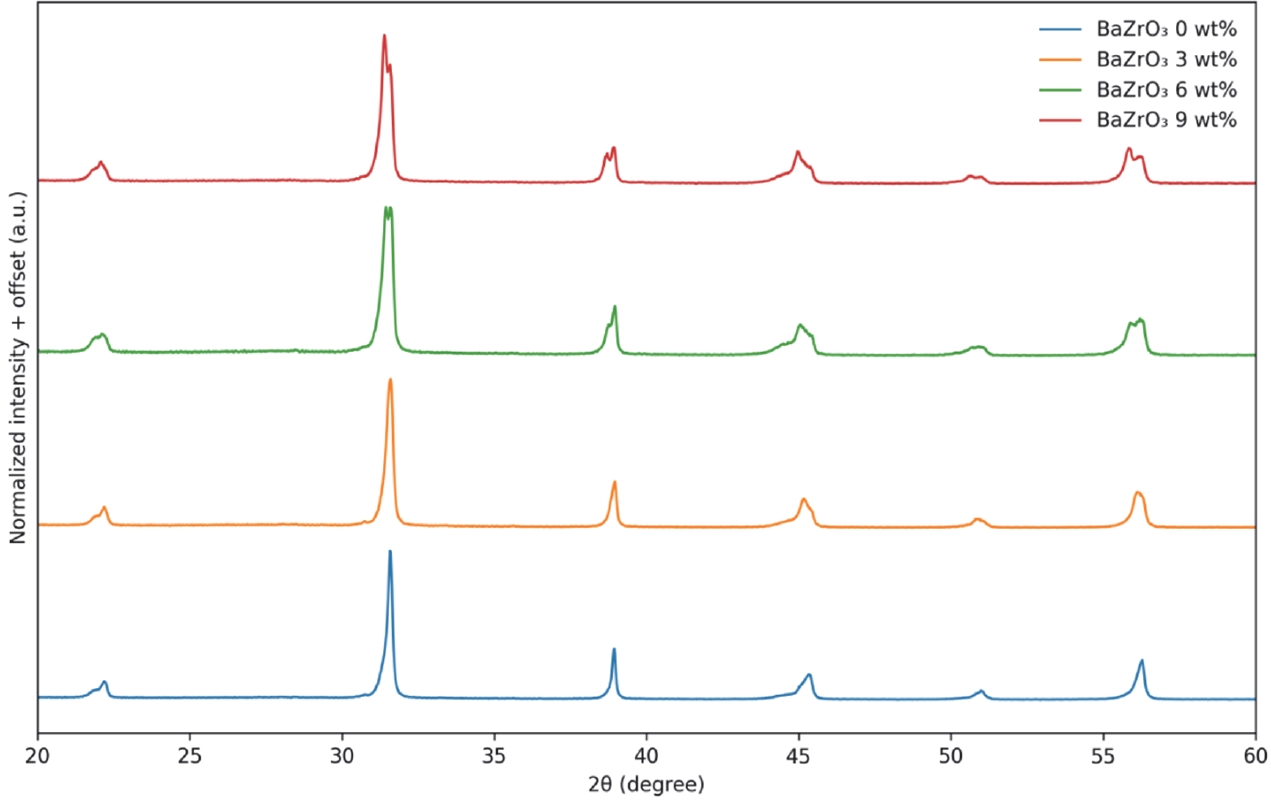
Figure 1 shows the XRD patterns of BaTiO₃-based BME MLCC ceramics containing various amounts of BaZrO₃, and the corresponding Rietveld refinement results are summarized in
Table 1. All compositions exhibited a single-phase perovskite structure without detectable secondary phases, indicating successful incorporation of BaZrO₃ into the BaTiO₃ lattice. With increasing BaZrO₃ content, the diffraction peaks gradually shifted toward lower diffraction angles. This behavior is attributed to the substitution of larger Zr⁴⁺ ions for Ti⁴⁺ ions at the B-site of the perovskite lattice. Consistent with this observation, the unit-cell volume increased from 64.61 ų to 66.05 ų, while the lattice parameter c increased from 4.023 Å to 4.074 Å, confirming lattice expansion induced by Zr incorporation.
Diffraction peak broadening became more pronounced with increasing BaZrO₃ content, indicating the development of local lattice distortion induced by Zr substitution. Although the c/a ratio increased from 1.0041 to 1.0117, suggesting retention of tetragonal distortion, the simultaneous increase in peak broadening and LVol-FWHM indicates the coexistence of local structural disorder within the tetragonal framework. Therefore, the structural evolution observed in the present study is more appropriately described as local lattice distortion rather than complete pseudo-cubic transformation or simple compositional complexity.
The crystallite size exhibited a non-monotonic variation with increasing BaZrO₃ content, increasing from 73.0 nm for the undoped composition to 141.4 nm at 3 wt% BaZrO₃, followed by a gradual decrease to 44.6 nm at 9 wt% BaZrO₃. This behavior suggests the presence of two competing effects associated with Zr incorporation. At relatively low BaZrO₃ contents, limited Zr substitution may facilitate crystallite growth during sintering, resulting in an increase in crystallite size. However, further increases in BaZrO₃ content appear to enhance lattice strain and diffraction peak broadening, which can suppress crystallite growth and reduce coherent diffraction domain size. This interpretation is supported by the significant increase in LVol-FWHM observed for the 6 wt% specimen. Therefore, the observed non-monotonic behavior is considered to result from the competition between crystallite-growth promotion at low BaZrO₃ contents and crystallite-growth suppression caused by increased lattice strain at higher BaZrO₃ concentrations. In addition, the c/a ratio increased from 1.0041 to 1.0117 with increasing BaZrO₃ content, indicating progressive modification of the crystal structure [
16–
20]. The XRD and Rietveld refinement results demonstrate that BaZrO₃ addition effectively modifies the BaTiO₃ lattice through lattice expansion, diffraction peak broadening, and changes in crystallite size. These structural changes are expected to influence the dielectric and electrical properties discussed in the following sections.
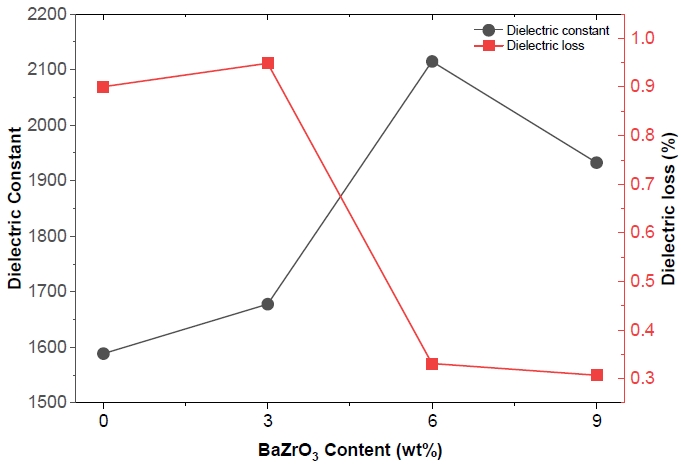
Figure 2 shows the dielectric permittivity (εr) and dielectric loss (tanδ) of BaTiO₃-based BME MLCC ceramics as a function of BaZrO₃ content. The dielectric permittivity increased with BaZrO₃ addition, reached a maximum value of approximately 2,110 at 6 wt%, and subsequently decreased to about 1,930 at 9 wt%. In contrast, dielectric loss decreased continuously with increasing BaZrO₃ content. The enhancement of dielectric permittivity up to 6 wt% BaZrO₃ is closely related to the structural modifications identified by XRD analysis. As shown in
Fig. 1 and
Table 1, Zr substitution resulted in lattice expansion and increased structural heterogeneity, which contributed to the improvement of dielectric performance. The 6 wt% composition exhibited the highest dielectric permittivity together with the largest LVol-FWHM value, indicating that an appropriate degree of structural modification is beneficial for dielectric response. However, further increasing the BaZrO₃ content to 9 wt% resulted in a reduction in dielectric permittivity despite the continued increase in unit-cell volume. This suggests that excessive structural modification is not favorable for maximizing dielectric performance and that an optimum BaZrO₃ concentration exists. The dielectric loss remained approximately 0.9% for the undoped and 3 wt% compositions but decreased significantly at higher BaZrO₃ contents, reaching approximately 0.3% at 9 wt%. The simultaneous increase in dielectric permittivity and decrease in dielectric loss observed at 6 wt% BaZrO₃ indicate an excellent balance between dielectric performance and electrical stability. BaZrO₃ addition effectively improved the dielectric characteristics of BaTiO₃-based BME MLCC ceramics. Among the investigated compositions, the specimen containing 6 wt% BaZrO₃ exhibited the most favorable combination of high dielectric permittivity and low dielectric loss, making it a promising candidate for high-capacitance and high-reliability MLCC applications.
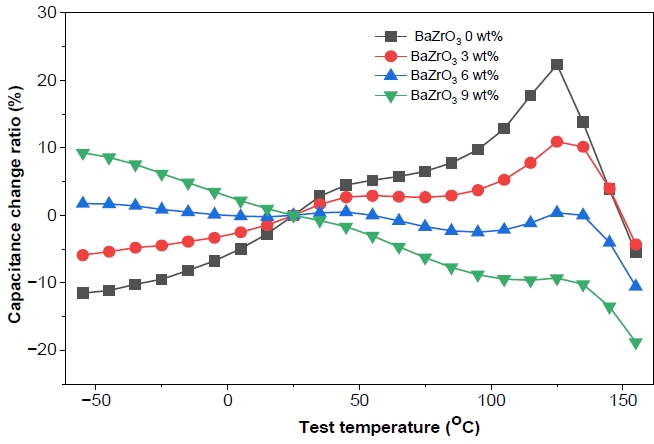
Figure 3 shows the temperature dependence of the capacitance change ratio for BaTiO₃-based BME MLCC ceramics containing various amounts of BaZrO₃ measured at 1 kHz. Significant improvements in capacitance stability were observed with increasing BaZrO₃ content. The undoped composition exhibited a pronounced capacitance variation near 120–130°C, corresponding to the dielectric transition region of BaTiO₃. In contrast, the specimen containing 3 wt% BaZrO₃ showed a broader and more gradual capacitance response, indicating reduced temperature sensitivity. More substantial improvements were observed for the 6 wt% and 9 wt% compositions. The capacitance change ratio became considerably flatter over the investigated temperature range, and the sharp capacitance variation observed in the undoped composition was largely suppressed. These results demonstrate that BaZrO₃ addition effectively enhances capacitance stability under varying temperature conditions. The improved TCC behavior is consistent with the structural modifications identified by XRD analysis.
Increasing BaZrO₃ content resulted in lattice expansion and enhanced diffraction peak broadening, which broadened the dielectric transition and reduced abrupt capacitance variation near the dielectric transition region [
21,
22]. The broadened dielectric response indicates a more diffuse dielectric transition, leading to improved capacitance stability over a wide temperature range.
Among the investigated compositions, the specimen containing 6 wt% BaZrO₃ exhibited the most favorable combination of high dielectric permittivity, low dielectric loss, improved temperature stability, and high insulation resistance. Although the 9 wt% composition showed comparable temperature stability, its dielectric permittivity was lower than that of the 6 wt% composition. BaZrO₃ addition effectively improved the temperature stability of BaTiO₃-based BME MLCC ceramics, with the 6 wt% composition providing the optimum balance between dielectric performance and capacitance stability.
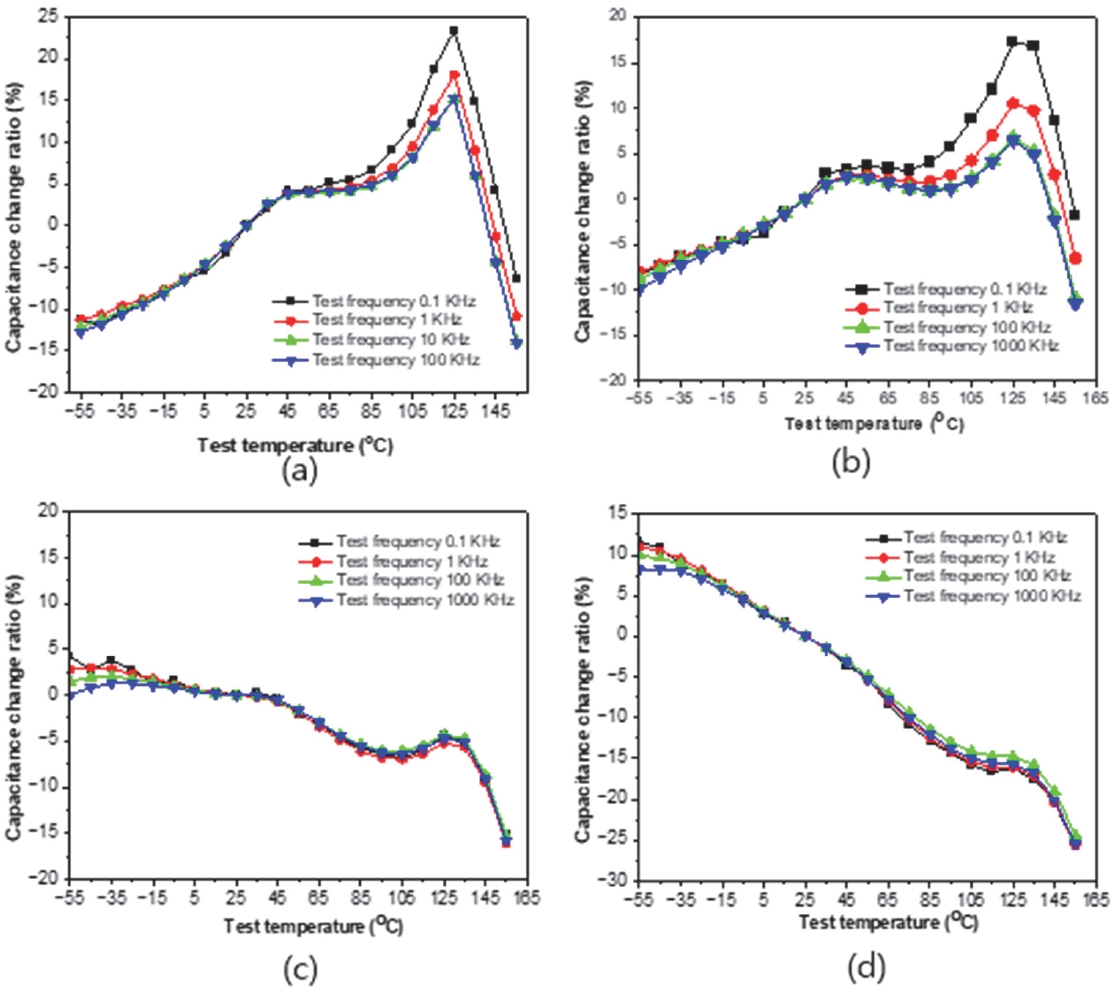
Figure 4 shows the temperature dependence of the capacitance change ratio measured at different frequencies for BaTiO₃-based BME MLCC ceramics containing various amounts of BaZrO₃. The frequency dependence of capacitance behavior changed significantly with increasing BaZrO₃ content. The undoped composition [
Fig. 4(a)] exhibited considerable variation in capacitance response with frequency, particularly near the dielectric transition region, indicating strong frequency-dependent dielectric behavior. A similar tendency was observed for the 3 wt% BaZrO₃ specimen [
Fig. 4(b)], although the frequency dispersion became less pronounced than that of the undoped composition. More substantial improvements were observed for the 6 wt% and 9 wt% compositions [
Fig. 4(c) and
(d)]. The capacitance change ratio exhibited only minor variation with frequency, and the capacitance curves measured at different frequencies became increasingly similar, indicating enhanced frequency stability. The improved frequency stability is consistent with the structural modifications identified by XRD analysis. Increasing BaZrO₃ content resulted in lattice expansion and increased structural heterogeneity, which broadened the dielectric response and reduced the sensitivity of capacitance to frequency variation. Among the investigated compositions, the specimen containing 6 wt% BaZrO₃ exhibited the most favorable frequency stability while maintaining the highest dielectric permittivity and low dielectric loss. Although the 9 wt% composition showed comparable frequency stability, its dielectric permittivity was lower than that of the 6 wt% composition. The reduction in frequency-dependent capacitance variation is particularly beneficial for MLCC applications operating under wide frequency ranges and rapidly changing load conditions. Therefore, the improved frequency stability achieved through BaZrO₃ addition is advantageous for high-reliability MLCC applications.
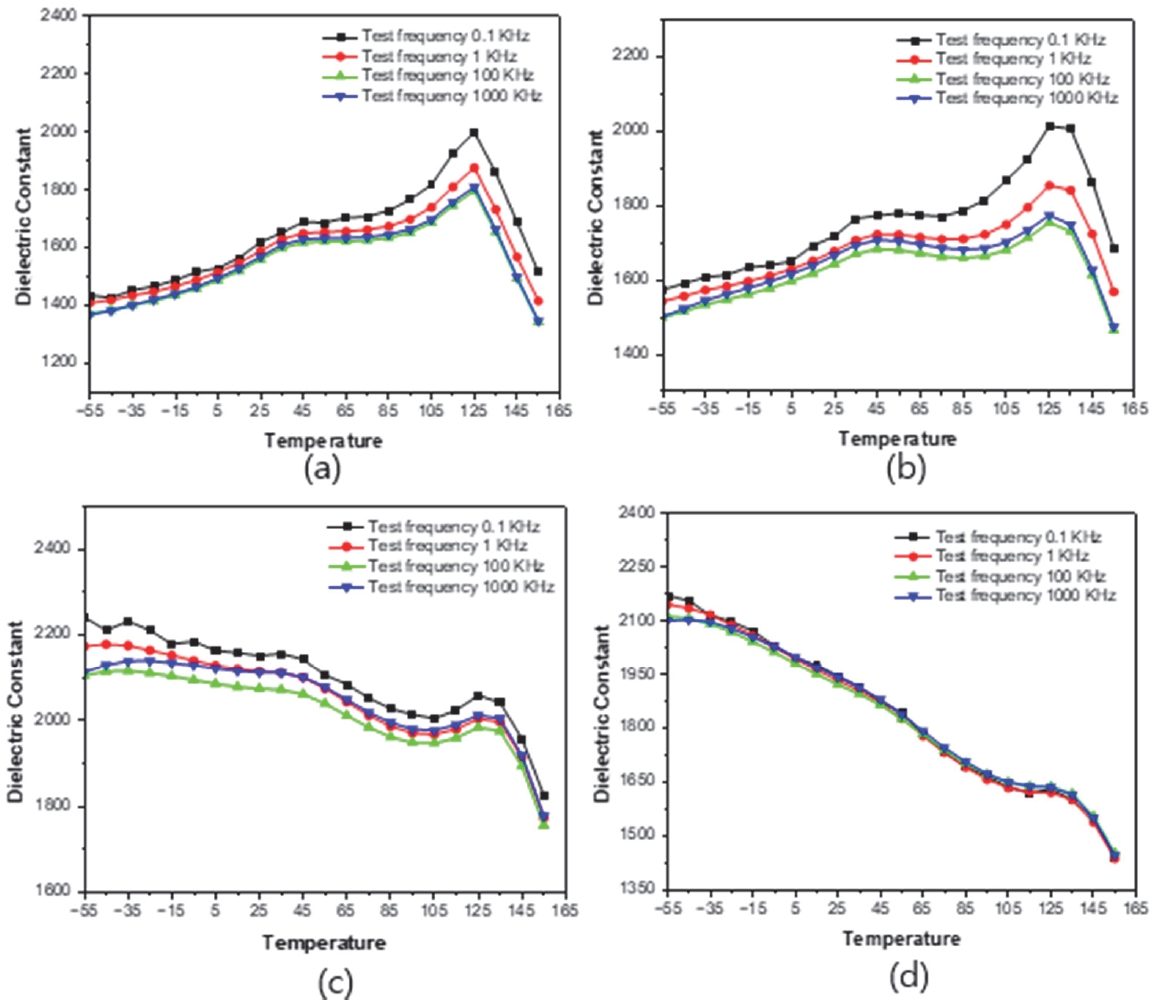
Figure 5 shows the temperature dependence of dielectric permittivity measured at various frequencies for BaTiO₃-based BME MLCC ceramics containing different amounts of BaZrO₃. The dielectric response changed significantly with increasing BaZrO₃ content, indicating that Zr substitution strongly influences both temperature stability and frequency dependence. The undoped composition [
Fig. 5(a)] exhibited a pronounced dielectric maximum near 120–130°C together with significant frequency dispersion. The dielectric permittivity decreased noticeably with increasing frequency, reflecting the strong contribution of ferroelectric domain-wall motion and polarization switching to the dielectric response. For the specimen containing 3 wt% BaZrO₃ [
Fig. 5(b)], the dielectric peak became broader and the frequency dependence was reduced, suggesting partial suppression of long-range ferroelectric ordering. A more substantial improvement was observed for the specimen containing 6 wt% BaZrO₃ [
Fig. 5(c)]. The dielectric permittivity remained relatively stable over a broad temperature range, and the dielectric curves measured at different frequencies became considerably closer. In addition, a high dielectric constant of approximately 2,000 was maintained throughout most of the investigated temperature range. For the 9 wt% composition [
Fig. 5(d)], frequency dispersion was further suppressed, although the overall dielectric permittivity decreased compared with the 6 wt% specimen. The dielectric behavior presented in
Fig. 5 is closely related to the structural evolution revealed by the XRD and Rietveld refinement analyses. Increasing BaZrO₃ content resulted in lattice expansion and enhanced diffraction peak broadening. These structural changes broadened the dielectric transition and reduced the sensitivity of dielectric permittivity to temperature and frequency variations. The reduction in frequency dispersion is also consistent with the improved capacitance stability observed in
Figs. 3 and
4. The broadening of the dielectric peak and suppression of frequency dependence suggest the development of a diffuse dielectric response induced by Zr substitution. Similar behavior has been reported in Ba(Zr,Ti)O₃-based systems, where Zr incorporation broadens the dielectric transition and improves dielectric stability over a wide temperature range. This behavior is consistent with the increase in unit-cell volume and diffraction peak broadening observed in the present study. Among the investigated compositions, the specimen containing 6 wt% BaZrO₃ exhibited the most favorable balance between high dielectric permittivity and dielectric stability. BaZrO₃ addition effectively broadened the dielectric response, suppressed frequency-dependent dielectric variation, and improved temperature stability in BaTiO₃-based BME MLCC ceramics. The 6 wt% composition exhibited the optimum combination of high dielectric permittivity, low dielectric loss, reduced frequency dispersion, and excellent dielectric stability, making it a promising candidate for high-reliability MLCC applications.
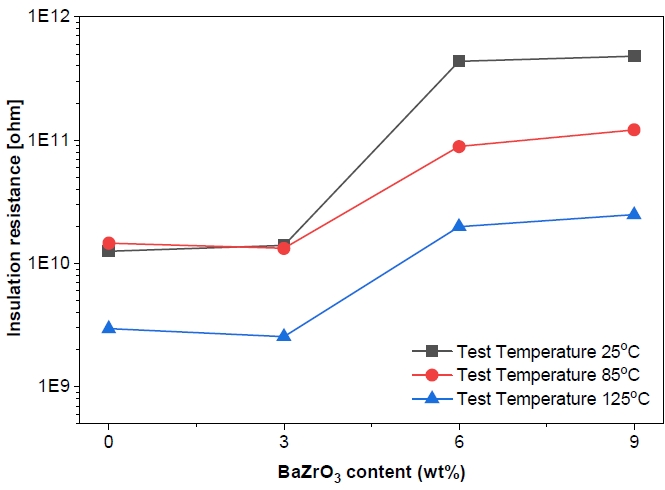
Figure 6 shows the insulation resistance (IR) of BaTiO₃-based BME MLCC ceramics as a function of BaZrO₃ content measured at 25°C, 85°C, and 125°C. For all compositions, IR decreased with increasing temperature because of thermally activated charge transport. However, a significant increase in IR was observed with increasing BaZrO₃ content over the entire temperature range. At 25°C, the undoped composition exhibited an IR of approximately 1 × 10¹⁰ Ω, whereas the specimen containing 6 wt% BaZrO₃ reached approximately 4 × 10
11 Ω. Similar improvements were observed at 85°C and 125°C, indicating enhanced electrical reliability at elevated temperatures. The improvement in insulation resistance is closely related to the structural modifications induced by Zr incorporation. As shown in
Fig. 1 and
Table 1, BaZrO₃ addition resulted in lattice expansion and increased structural heterogeneity. These changes are expected to influence defect-related charge transport and suppress leakage conduction in BME MLCC ceramics [
23–
26]. Among the investigated compositions, the specimen containing 6 wt% BaZrO₃ exhibited the highest insulation resistance together with excellent dielectric performance. Although the 9 wt% composition also maintained high IR values, its dielectric permittivity was lower than that of the 6 wt% composition. BaZrO₃ addition effectively enhanced the insulation resistance and high-temperature reliability of BaTiO₃-based BME MLCC ceramics. The improvement in insulation resistance is attributed not only to local lattice distortion but also to the suppression of oxygen-vacancy-assisted charge transport. Partial substitution of Ti⁴⁺ by chemically stable Zr⁴⁺ ions disrupts electron hopping pathways within the Ti–O–Ti network, thereby reducing leakage conduction and enhancing insulation resistance, particularly at elevated temperatures.
4 Conclusions
BaTiO₃-based BME MLCC ceramics containing 0–9 wt% BaZrO₃ were investigated to clarify the effects of Zr substitution on crystal structure, dielectric properties, capacitance stability, and insulation resistance. XRD and Rietveld refinement analyses confirmed that all compositions maintained a single-phase perovskite structure. Increasing BaZrO₃ content resulted in systematic lattice expansion and local lattice distortion, indicating successful incorporation of Zr⁴⁺ ions into the BaTiO₃ lattice. BaZrO₃ addition significantly influenced the dielectric and electrical properties of the ceramics. Dielectric permittivity increased initially and then decreased at higher BaZrO₃ contents, while dielectric loss continuously decreased. In addition, the dielectric response became progressively broader, leading to improved temperature stability and reduced frequency-dependent dielectric variation. Insulation resistance was also markedly enhanced, particularly at elevated temperatures, demonstrating improved electrical reliability. The observed improvements are attributed to Zr-induced local lattice distortion, which broadened the dielectric transition behavior and stabilized the dielectric response over a wide temperature and frequency range. The coexistence of tetragonal distortion and local structural disorder contributed to enhanced capacitance stability and insulation resistance. The strong correlation between structural evolution and dielectric behavior confirms that controlled Zr incorporation is an effective approach for optimizing BaTiO₃- based dielectric materials. Among the investigated compositions, 6 wt% BaZrO₃ provided the optimum balance between dielectric performance and electrical reliability. These results demonstrate that BaZrO₃-modified BaTiO₃ ceramics are promising candidates for next-generation high-reliability MLCC applications requiring stable dielectric performance and long-term operational reliability.
Notes
-
Acknowledgement
This work was supported by the Technology Innovation Program (RS-2024-00430833, Development of MLCC commercialization technology for automotive electronics an alternative to rare earth for high reliability response) funded by the Ministry of Trade, Industry & Energy (MOTIE, Korea).
-
Conflict of Interest
The author (Jung Rag Yoon) currently serves on the editorial board of JEEM, but was not involved in any part of the publication process. Other than this, the authors declare that they have no relevant potential conflicts of interest.
-
Author Contributions
Won-Su Lee: Investigation, Formal analysis, Data Curation, Writing – Original Draft.
Jong Kyu Lee: Methodology, Validation, Resources.
Moon-Taek Cho: Formal analysis of dielectric and electrical properties, Validation.
Jung Rag Yoon: Conceptualization, Supervision, Writing – Review & Editing, Project administration, Funding acquisition.
Data Availability
Data openly available in a public repository that issues datasets with DOIs.
Fig. 1.XRD patterns of BaTiO₃-based BME MLCC ceramics containing 0–9 wt% BaZrO₃
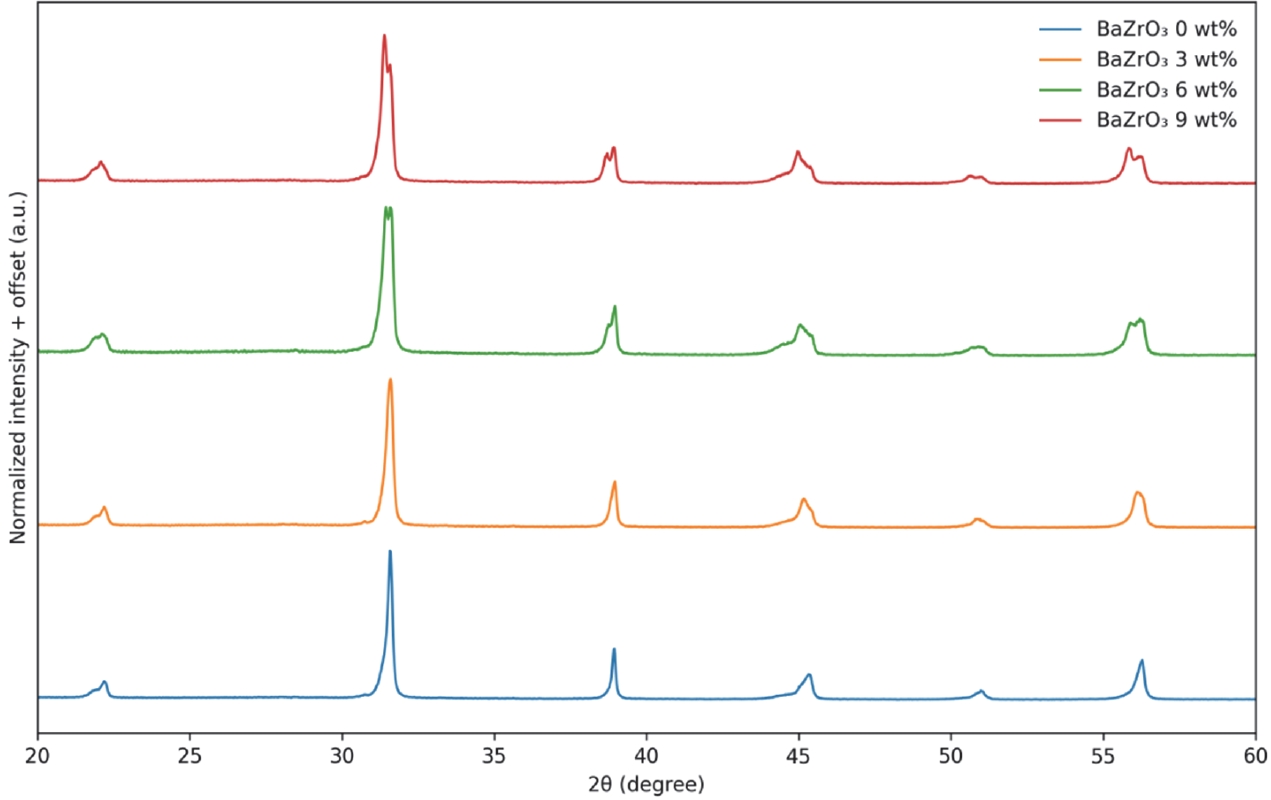
Fig. 2.Variation of dielectric permittivity (εr) and dielectric loss (tanδ) as a function of BaZrO₃ content
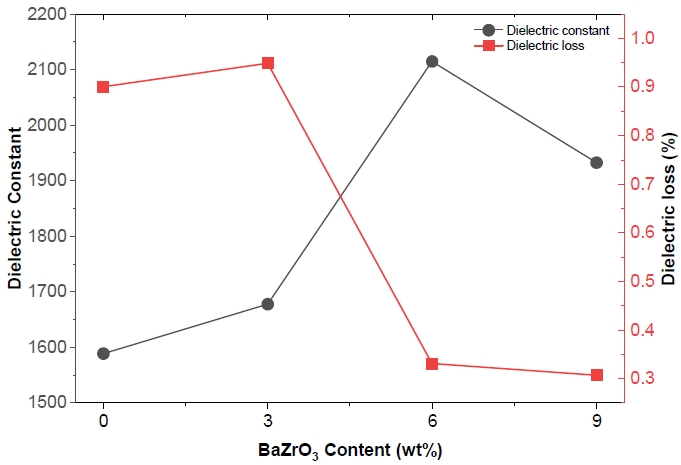
Fig. 3.Capacitance change ratio as a function of temperature for BaTiO₃-based BME MLCC ceramics with different BaZrO₃ contents measured at 1 kHz
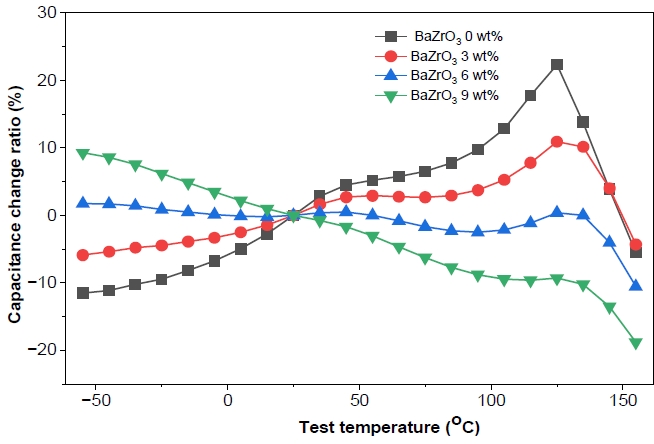
Fig. 4.Temperature dependence of capacitance change ratio measured at different frequencies for BaTiO₃-based BME MLCC ceramics containing (a) 0 wt%, (b) 3 wt%, (c) 6 wt%, and (d) 9 wt% BaZrO₃
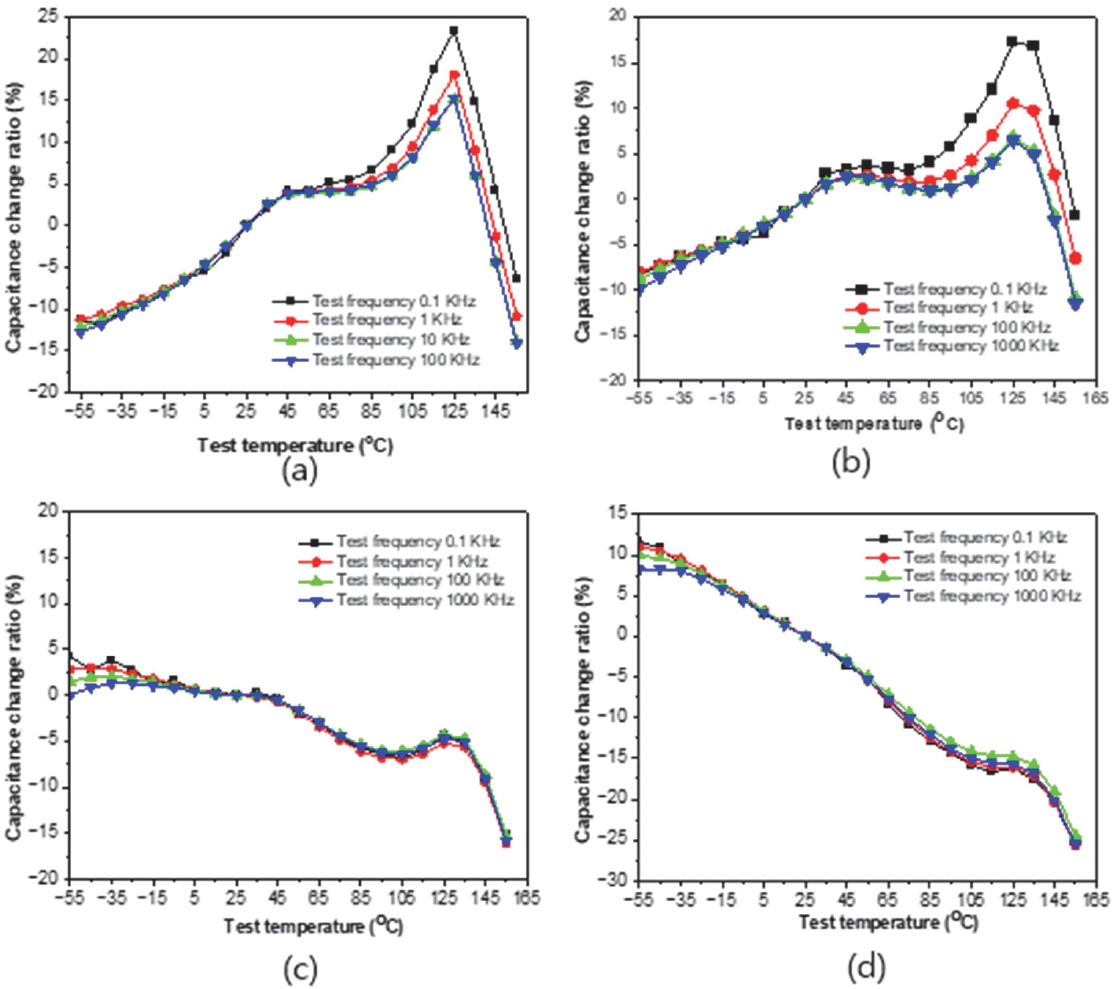
Fig. 5.Temperature dependence of dielectric permittivity measured at different frequencies for BaTiO₃-based BME MLCC ceramics containing (a) 0 wt%, (b) 3 wt%, (c) 6 wt%, and (d) 9 wt% BaZrO₃
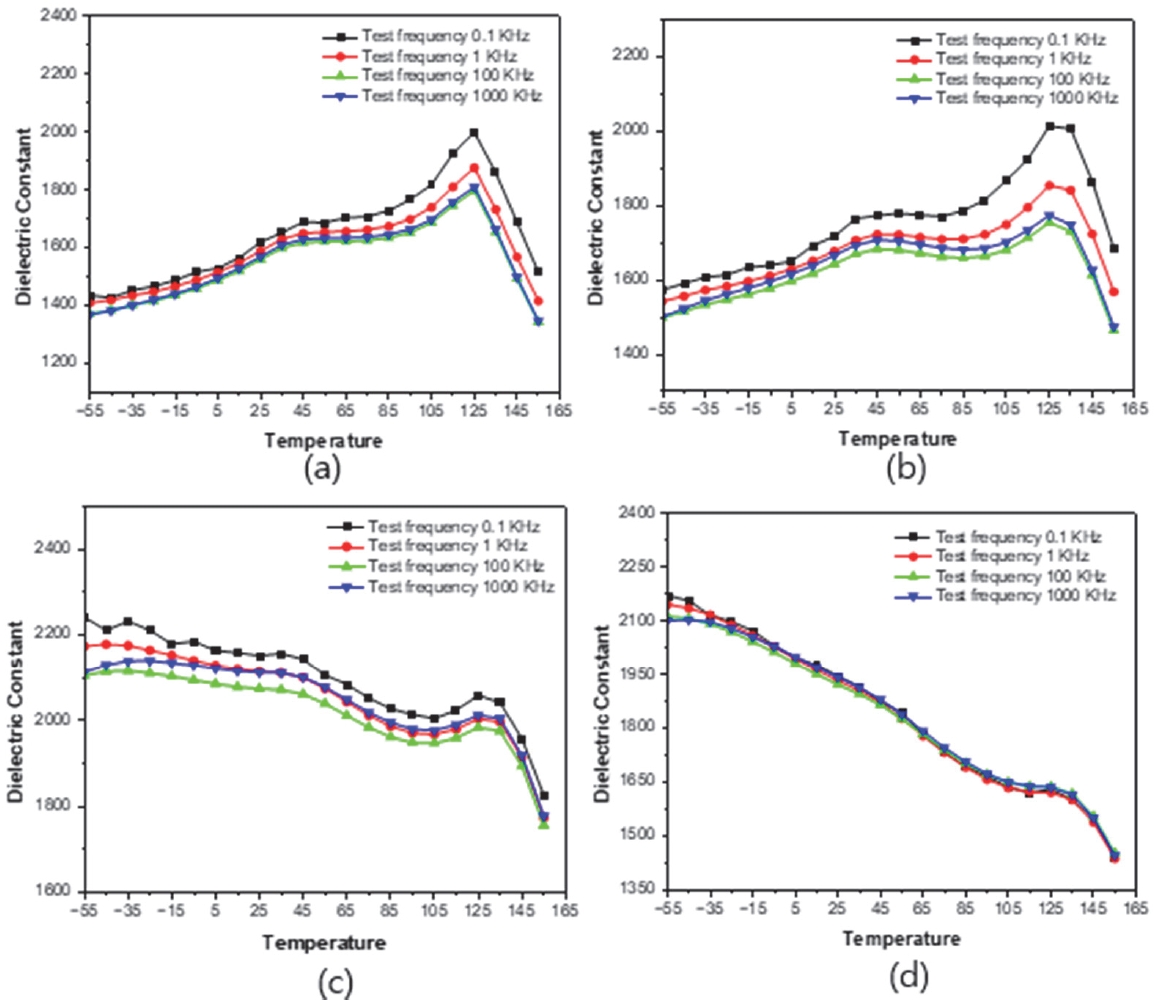
Fig. 6.Insulation resistance as a function of BaZrO₃ content measured at 25°C, 85°C, and 125°C for BaTiO₃-based ceramics
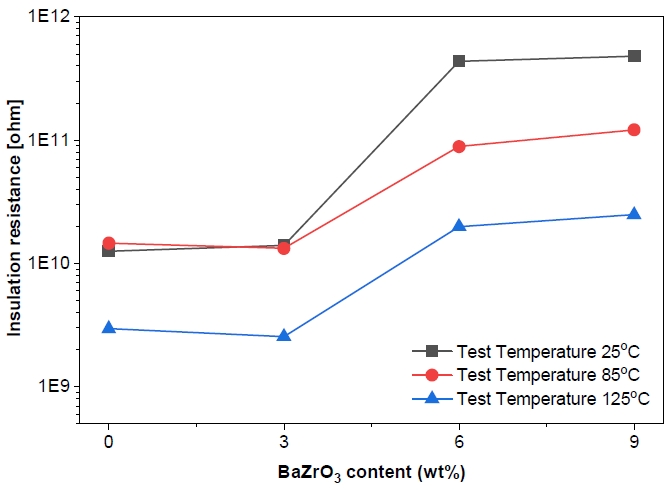
Table 1.Structural parameters obtained from Rietveld refinement of BaTiO₃-based BME MLCC ceramics with different BaZrO₃ contents
Table 1.
|
BaZrO₃ content (wt%) |
Cell volume (ų) |
Density (g/cm³) |
a (Å) |
c (Å) |
c/a Ratio |
Crystallite size (nm) |
LVol-IB (nm) |
LVol-FWHM (nm) |
|
0 |
64.61 |
5.993 |
4.007 |
4.023 |
1.0041 |
73.0 |
27.4 |
36.57 |
|
3 |
64.67 |
5.987 |
4.000 |
4.041 |
1.0104 |
141.4 |
27.1 |
32.25 |
|
6 |
65.01 |
5.956 |
4.007 |
4.049 |
1.0106 |
90.4 |
44.6 |
65.57 |
|
9 |
66.05 |
5.862 |
4.026 |
4.073 |
1.0117 |
44.6 |
28.3 |
39.69 |
References
- 1. H. Kishi, Y. Mizuno, and H. Chazono, Jpn. J. Appl. Phys., 42, 1 (2003). doi: https://doi.org/10.1143/JJAP.42.1
- 2. P. Yousefian and C. A. Randall, Power Electron. Devices Compon., 6, 100045 (2023). doi: https://doi.org/10.1016/j.pedc.2023.100045
- 3. J. R. Yoon, S. N. Seo, M. W. Ha, and M. T. Cho, J. Korean Inst. Electr. Electron. Mater. Eng., 39, 34 (2026). doi: https://doi.org/10.4313/JEEM.2026.39.1.5
- 4. T. Kim, M. K. Kim, J. R. Yoon, J. Y. Lee, O. Seok, and M. W. Ha, J. Electr. Eng. Technol., 20, 1103 (2025). doi: https://doi.org/10.1007/s42835-025-02156-y
- 5. G. Wang, Z. Lu, Y. Li, L. Li, H. Ji, A. Feteira, D. Zhou, D. Wang, S. Zhang, and I. M. Reaney, Chem. Rev., 121, 6124 (2021). doi: https://doi.org/10.1021/acs.chemrev.0c01264
- 6. J. Hong, T. H. Lee, J. M. Suh, S. H. Yoon, and H. W. Jang, J. Mater. Chem. C, 7, 9782 (2019). doi: https://doi.org/10.1039/C9TC02921D
- 7. H. Yang, W. Bao, Z. Lu, L. Li, H. Ji, Y. Huang, F. Xu, G. Wang, and D. Wang, J. Mater. Res., 36, 1285 (2021). doi: https://doi.org/10.1557/jmr.2020.286
- 8. S. Wada, H. Adachi, H. Kakemoto, H. Chazono, Y. Mizuno, H. Kishi, and T. Tsurumi, J. Mater. Res., 17, 456 (2002). doi: https://doi.org/10.1557/JMR.2002.0064
- 9. H. Yang, Z. Lu, L. Li, W. Bao, H. Ji, J. Li, A. Feteira, F. Xu, Y. Zhang, H. Sun, Z. Huang, W. Lou, K. Song, S. Sun, G. Wang, D. Wang, and I. M. Reaney, ACS Appl. Mater. Interfaces, 12, 43942 (2020). doi: https://doi.org/10.1021/acsami.0c13057
- 10. Y. Fu, Y. Hou, B. Song, H. Chang, X. Liu, X. Yu, M. Zheng, and M. Zhu, J. Alloys Compd., 903, 163995 (2022). doi: https://doi.org/10.1016/j.jallcom.2022.163995
- 11. J. Yang, Y. Zhao, L. Zhu, and X. Hao, Scr. Mater., 193, 97 (2021). doi: https://doi.org/10.1016/j.scriptamat.2020.10.034
- 12. S. Luan, M. Tang, H. Mu, J. Yu, P. Wang, and L. Zhang, J. Mater. Sci.: Mater. Electron., 36, 526 (2025). doi: https://doi.org/10.1007/s10854-025-14562-z
- 13. R. Liu, Z. Chen, Z. Lu, and X. Wang, Ceram. Int., 51, 30257 (2025). doi: https://doi.org/10.1016/j.ceramint.2025.04.220
- 14. N. Iqbal, A. Dixit, P. S. Dobal, R. S. Katiyar, and A. S. Bhalla, J. Mater. Sci.: Mater. Electron., 36, 1008 (2025). doi: https://doi.org/10.1007/s10854-025-15032-2
- 15. P. Wang, X. Huang, S. Luan, J. Zhao, B. Li, J. Yang, Z. Fu, X. Cao, L. Zhang, S. Yu, and R. Sun, J. Mater. Chem. C, 12, 13131 (2024). doi: https://doi.org/10.1039/D4TC01762E
- 16. V. Buscaglia and C. A. Randall, J. Eur. Ceram. Soc., 40, 3744 (2020). doi: https://doi.org/10.1016/j.jeurceramsoc.2020.01.021
- 17. J. Chun, J. Kim, W. W. Lee, E. Jang, Y. Lee, K. Kim, W. J. Choi, W. Jo, W. Kim, and B. S. Kang, Ceram. Int., 50, 42963 (2024). doi: https://doi.org/10.1016/j.ceramint.2024.08.142
- 18. T. Teranishi, R. Ozaki, S. Kondo, and A. Kishimoto, Jpn. J. Appl. Phys., 62, SM1015 (2023). doi: https://doi.org/10.35848/1347-4065/ace6a8
- 19. P. Elorika, S. Anwar, and S. Anwar, J. Mol. Struct., 1299, 137158 (2024). doi: https://doi.org/10.1016/j.molstruc.2023.137158
- 20. A. A. Kholodkova, A. V. Reznichenko, A. A. Vasin, and A. V. Smirnov, Fine Chem. Technol., 19, 72 (2024). doi: https://doi.org/10.32362/2410-6593-2024-19-1-72-87
- 21. Z. Li, S. Yan, J. Xia, F. Cao, X. Chen, Y. Song, Y. Chen, Z. S. Lin, and G. Wang, Ceram. Int., 48, 27439 (2022). doi: https://doi.org/10.1016/j.ceramint.2022.06.034
- 22. T. Nakamura, T. Yao, J. Ikeda, N. Kubodera, and H. Takagi, IOP Conf. Ser.: Mater. Sci. Eng., 18, 092007 (2011). doi: https://doi.org/10.1088/1757-899X/18/9/092007
- 23. C. H. Lee and J. R. Yoon, J. Electr. Eng. Technol., 16, 2141 (2021). doi: https://doi.org/10.1007/s42835-021-00712-w
- 24. C. H. Lee, H. S. Lee, S. N. Seo, and J. R. Yoon, J. Korean Inst. Electr. Electron. Mater. Eng., 38, 513 (2025). doi: https://doi.org/10.4313/JEEM.2025.38.5.6
- 25. C. H. Lee and J. R. Yoon, J. Korean Inst. Electr. Electron. Mater. Eng., 38, 161 (2025). doi: https://doi.org/10.4313/JKEM.2025.38.2.5
- 26. S. H. Lee, D. Y. Kim, M. K. Kim, H. K. Kim, J. H. Lee, E. Baek, and J. R. Yoon, J. Ceram. Process. Res., 16, 495 (2015). doi: https://doi.org/10.36410/jcpr.2015.16.5.495